Look, Feel & Be Your Best
Start your wellness journey
Book Now


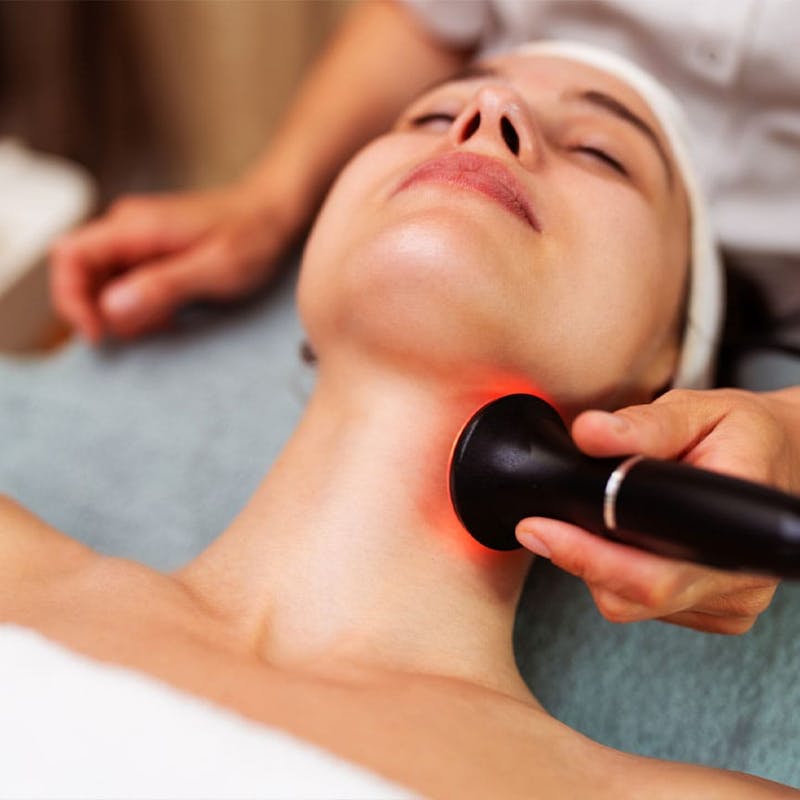
You’ve probably seen red light therapy mentioned in conversations about wellness, recovery, and healthy aging, but you may wonder what it actually does and how it fits into a longevity-focused lifestyle. At its core, red light therapy uses specific wavelengths of light to interact with your body at a cellular level. Rather than promising dramatic results, it’s best understood as a supportive tool that may help your body function more efficiently over time.
At Serotonin Centers, red light therapy is offered as part of a broader approach to long-term wellness and vitality. Below, you’ll learn how red light therapy works in different areas of the body, and how it may support healthy aging when used consistently and responsibly.
Every cell in your body needs energy to do its job. That energy is produced inside the cell by structures called mitochondria, often described as the cell’s “power plants.” Red light therapy works by delivering light at specific wavelengths that your cells can absorb.
When this light reaches the mitochondria, it may help them work more efficiently, allowing cells to produce energy more effectively. This means your cells may have more fuel to carry out normal repair and maintenance tasks. Over time, supporting cellular energy production may help your body keep up with daily stressors and the natural aging process.
Inflammation is part of your body’s normal response to stress, injury, or illness. Short-term inflammation can be helpful, but ongoing, chronic inflammation may place extra strain on your tissues and bodily systems as you age.
Red light therapy is being studied for its potential to support the body’s natural inflammatory response. By interacting with cells involved in inflammation signaling, red light exposure may help the body maintain a healthier balance. Rather than “eliminating” inflammation, the goal is to support normal recovery processes that allow tissues to function comfortably over time.
Your skin is constantly renewing itself, but that process tends to slow down with age. Collagen, a protein that helps keep skin firm and resilient, naturally declines over time.
Red light therapy may help support collagen production by stimulating skin cells with light energy. This stimulation may encourage healthier cell turnover and improved skin structure. For longevity-focused wellness, supporting skin health isn’t just about appearance: it’s also about maintaining one of your body’s primary protective barriers as you age.
Muscles work hard every day, whether you’re exercising regularly or simply moving through daily activities. Over time, physical strain can contribute to stiffness or discomfort.
Red light therapy may help support muscle recovery by increasing circulation and cellular activity in treated areas. Improved blood flow can help deliver oxygen and nutrients where they’re needed most. While the results vary from person to person, many individuals use red light therapy as part of a natural routine to support physical comfort and mobility as they age.
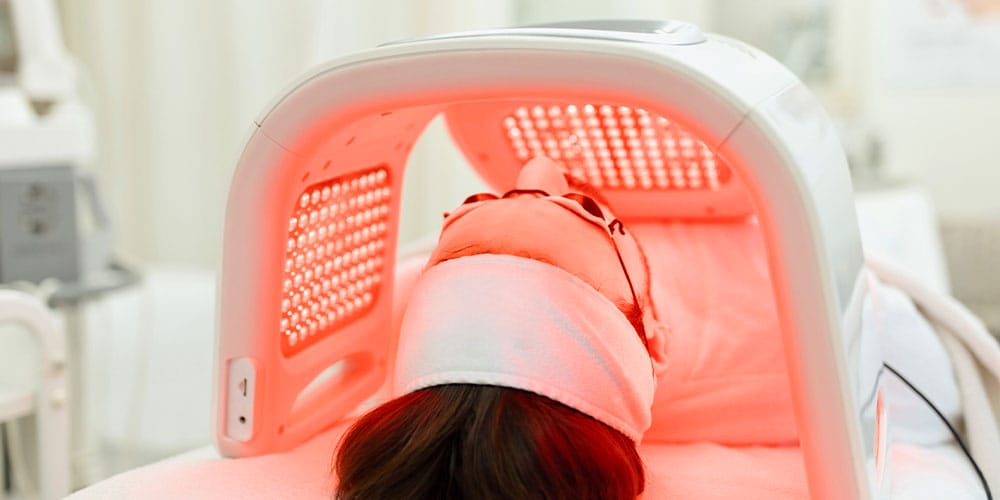
Brain health and mental clarity
Your brain is one of the most energy-demanding organs in your body. Supporting healthy blood flow and cellular activity in the brain is an important part of long-term wellness.
Red light therapy is being explored for its potential to support brain function by promoting circulation and cellular energy in targeted areas. Some research suggests these effects may support focus, mental clarity, and cognitive wellness. While it’s not a treatment for neurological conditions, it may be used as part of a broader strategy to support brain health over time.
Quality sleep is closely linked to healthy aging, energy levels, and overall well-being. Light exposure plays a key role in regulating your circadian rhythm: the internal clock that helps determine when you feel alert or sleepy.
Red light therapy may support sleep by promoting relaxation and supporting melatonin production when used at appropriate times. By encouraging a balanced sleep-wake cycle, red light therapy may help you feel more rested and better equipped to handle daily demands.
Your body is constantly repairing itself, from minor skin damage to everyday cellular wear and tear. Red light therapy may help support these natural repair processes by improving circulation and cellular communication in treated areas.
In simple terms, the light may help your body do what it already knows how to do: maintain and restore tissues more efficiently. Over time, this supportive role may contribute to better resilience and overall physical function as part of a longevity-focused routine.
Red light therapy isn’t about stopping aging altogether. Instead, it’s about supporting your body’s natural processes so you can age in a healthier, more balanced way. By encouraging efficient cellular energy use, supporting recovery, and promoting overall wellness, red light therapy may play a meaningful role in a long-term self-care strategy.
At Serotonin Centers, red light therapy is offered as one component of a personalized wellness plan to support healthy aging and vitality. If you’re exploring ways to invest in your well-being, schedule a consultation to determine whether red light therapy is right for you.